

We know what’s coming and we are prepared.

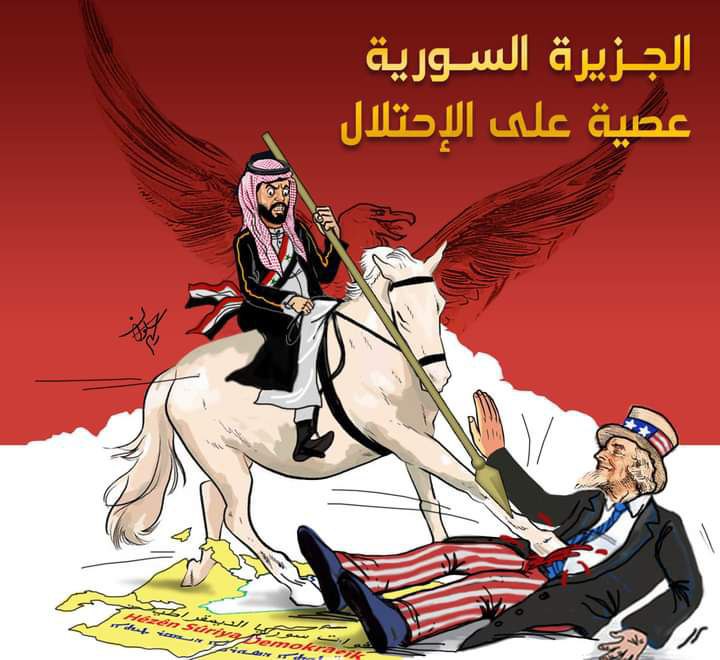
🇮🇷 — The Sons of the Jazeera and Euphrates Movement has begun claiming, in the manner of very transparent communiques, that it is undertaking rocket attacks on U.S. bases in Syria.
On October 26, 2023, the Iraqi muqawama social media reported a rocket attack on U.S. troops in Conoco base in the countryside of the northern Deir al-Zor region. Unlike all but one of the attacks on U.S. assets in Iraq and Syria since October 17, 2023, this attack was not claimed by the Islamic Resistance in Iraq. Instead, some Iraqi muqawama Telegram channels suggested that a Syrian militia called Harakat Abna al-Jazeera wal Furat (Sons of the Jazeera and Euphrates Movement) has taken responsibility for the attack.
The association of attacks in Deir al-Zor with a local tribal force is probably an effort to send the message that Iran’s Syrian allies are now part of the campaign against U.S. bases. This was probably the case even before the Sons of the Jazeera and Euphrates Movement began claiming attacks in its own name, with local Sunni tribes providing some operators to assist in local attacks in Deir al-Zor, but now those partners are being publicly built up by the muqawama propaganda machine. This may be a warning to the U.S. that tribal proxies may be further mobilized to destabilize U.S.com/SDF operating areas in Syria.

If you missed it👇
Top AI Executives are now officially anticipating a large-scale event, most likely a cyberattack, that shuts down access to financial services, internet connectivity, and even power and water. We need to prepare for this scenario right now.
Watch here:
Follow @zeeemedia
Website | X | Instagram | Rumble