

We know what’s coming and we are prepared.

FLASHBACK, June 2020 📸:
"The Algorithm Ghetto will relegate your position from the 1st row to the 4th balcony in the rear. No one will see you. You'll be on the rooftops screaming at the top of your voice and no one will hear you.
Your [social media] will be zombied. You don't need to wait for a knock at the door. In fact, your problem is there probably won't be a knock at the door. No one will be knocking because you'll be driven into a non-entity.
If you combine this with the cashless society, it means that even for money you won't be able to buy bread or milk without permission of the state.
We are now running into a hyper-1984 status and Covid-19 has dramatically boosted it in a span of 30-90 days. And the greatest danger of them all will culminate in the first week of November, when we're probably going to see conduct and actions like you would never believe we would have in the United States." Edwin Black
Full Interview:
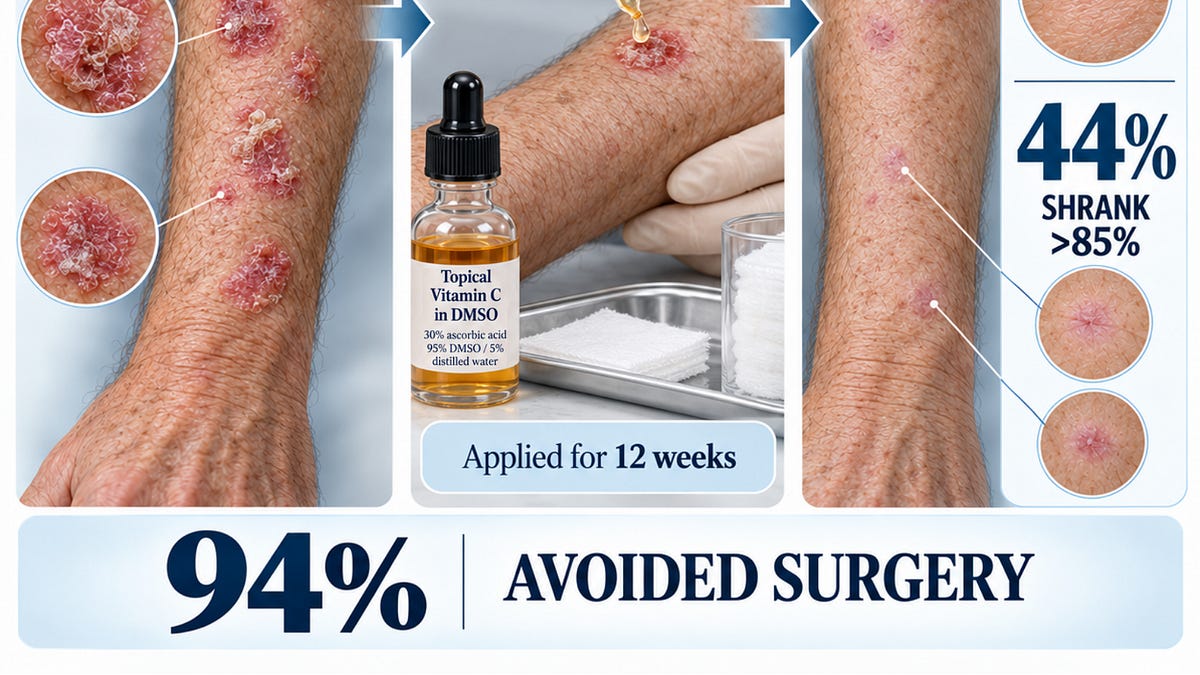
NEW STUDY: Topical vitamin C in DMSO completely ELIMINATED 56% of biopsy-confirmed skin cancers in just 12 weeks.
44% of the squamous cell carcinoma lesions SHRANK by over 85%.
94% of patients were able to AVOID surgery.
The average cancer lesion size dropped 71%.
The treatment was 30% ascorbic acid in a 95% DMSO/5% distilled-water solution, applied twice daily for 12 weeks.
DMSO was used as a skin-penetration enhancer, helping the vitamin C pass through the outer skin barrier and reach the lesion more effectively.
https://www.thefocalpoints.com/p/study-topical-vitamin-c-in-dmso-eliminated
Follow @zeeemedia
Website | X | Instagram | Rumble
Scientists have now developed a way to genetically engineer lettuce with pig DNA to make plant-based meat taste like meat
The is a new 2026 study that inserted pig myoglobin genes into lettuce chloroplasts, which persisted in the lettuce grown from the harvested seeds. “This research follows the British company Moolec, which inserts pig DNA into soybeans to create what they call piggy soy”
‘Since this is all considered gene editing and not genetic modification, it bypasses most regulation and can be sold with little restrictions’
I have no words for how depraved the minds of these Christ-hating transhumanist idiots are.
Follow @zeeemedia
Website | X | Instagram | Rumble
🌡 🇫🇷 🏬 Hundreds of French supermarkets have been hit by a cyber attack that caused their fridges and freezers to heat up, spoiling fresh and frozen food estimated to be worth millions of euros.
Hackers reportedly gained control of the software that regulates the temperatures of the refrigeration units, forcing some to warm to 50C (120F) overnight.
Almost 100 of the chain's stores were targeted, while between 150 and 200 Intermarché supermarkets were affected, according to the AFP news agency.
Intermarché said its fridges had heated up to 50C for six hours overnight into Monday, and the retailer had thrown away all the affected food to avoid health risks, the Reuters news agency reported.
Prosecutors in Paris confirmed the cyber attack and indicated it had prompted fire outbreaks, according to AFP.
📝 Rushi: "We’ve connected so much of our physical world to the internet that apparently even keeping milk cold is now a cybersecurity problem."
...

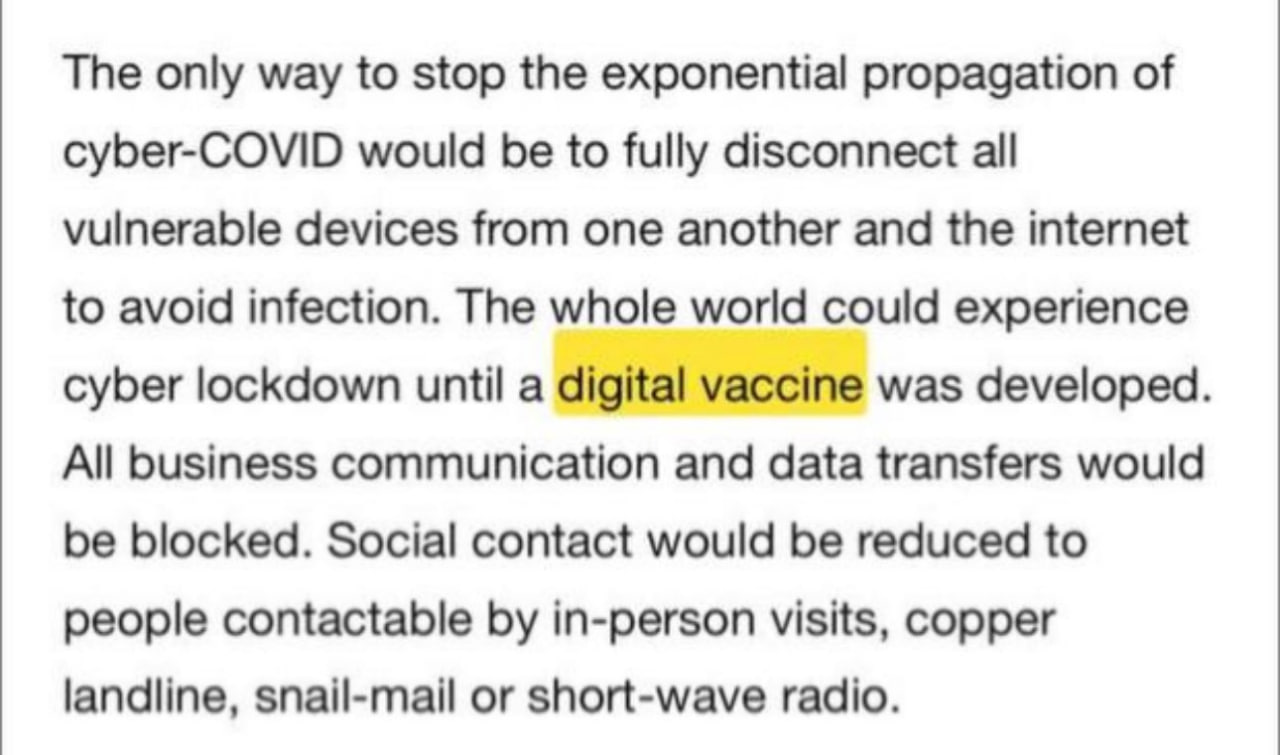
The WEF states that when a global cyber outage occurs from “Cyber COVID”, the whole world could (AKA will) go into cyber lockdown until a “digital vaccine” is developed.
This seems important to raise again when the tech lizards are screaming about an AI apocalypse in unison right now.
Follow @zeeemedia
Website | X | Instagram | Rumble
The Netherlands government has killed a 2-year-old baby, just one year after the country legalized euthanasia for children under 12.
In 2025, 10,341 people in the Netherlands were euthanized, up nearly 4% from the year before.
According to the Assessment Committee for Late Termination of Pregnancy and Termination of Life in Newborns and Children Aged 1 to 12 Years, the baby had "both mental and physical" disabilities, so they decided it was best to kill the child.
"The child had multiple, very severe disabilities, both mental and physical, and the prognosis was that the child would be dependent on support with all activities of daily living for the rest of their life."
After getting consent from the child's parents, the baby was killed.
https://nltimes.nl/2026/09/09/first-ever-case-euthanasia-young-child-2-handled-well-dutch-committee
Follow @zeeemedia
Website | X | Instagram | Rumble