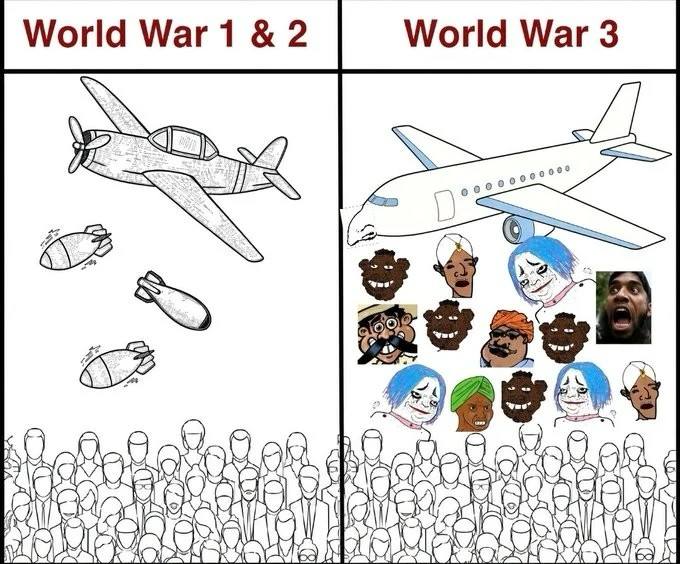

We know what’s coming and we are prepared.

IE: US faith in the stability of the dollar will be tested
Rumours of the death of the dollar are exaggerated, but only for now, writes the author of the article for The New Indian Express. The problems with the American currency are increasing, and the cause of this is Washington itself. Ultimately, the US will overplay their hand and lose their political prestige.
At the moment, there is no doubt in the US about the stability of the dollar as a reserve currency. However, considering the country's economic, political, and social problems, this faith will be put to the test.
To paraphrase Mark Twain's famous joke, rumours of the death of the dollar are exaggerated, although its health problems are increasing.
The problems with the dollar are mainly caused by Americans themselves. The unrestrained fiscal and monetary policies of the US - with a budget deficit and government debt at 7% and over 100% of GDP respectively - have reduced the dollar's long-term purchasing power. Since 1972, it has fallen by 99% against gold and lost 90% of its purchasing power in the market for real goods and services.
American politicians have always sought to use the dollar as a weapon to achieve their own goals, thereby compensating for economic weaknesses, such as lack of competitiveness. The US has sought to exclude foreign entities from international payment systems, such as SWIFT.
Washington imposes secondary sanctions to punish individuals and organisations that are not even under US jurisdiction. If a Russian company is under sanctions, anyone doing business with it may be subject to legal action, even if they comply with their own country's laws. This is done through a questionable system of dollar transactions that only pass through the US banking system. International banks and others have already faced legal action for operations that are legal in their own country. The threats are sufficient to disrupt dealings with organisations under US sanctions.
#3
💥 Our channel: Node of Time EN
This is a very good video explaining in detail the damage caused by the arson attack on the Eagle's Nest, and also the systematic destruction, vandalism and insane, hate-filled iconoclasm inflicted on Hitler's beloved Berghof and associated buildings since 1945:
Felton correctly points out the Eagle's Nest was Hitler's least-favorite building there and he only visited it on a handful of occasions (it was more of an extravagant vanity protect by Martin Bormann).
Hitler's favorite building, by far, was the little tea house with the overlook, which he visited daily. This survived the war completely intact, but was needlessly destroyed by the anti-Nazi collaborationist Bavarian government in 1951, for no other reason than it was Hitler's favorite spot.
While I am saddened and angered by the burning of the Eagle's Nest, I imagine Hitler would just shrug after all the other decades of destruction that have been visited on the site, including the original ...
James Comer: Ilhan Omar’s Winery Sold Empty Barrels of Wine to Investors (VIDEO)
https://www.thegatewaypundit.com/2026/10/chairman-comer-ilhan-omars-winery-sold-empty-barrels/