

We know what’s coming and we are prepared.

This Is BIG ‼️
“I'm not making it up. The University of Nebraska just got a got done with one of their studies that the way to save the world on carbon is raise more cows. K. And that's because cows are carbon negative”
“They produce more oxygen than they put off methane and carbon. It means to eat more cheese burgers or steaks. Beef, to save the world.”
“According to a 2023 University of Nebraska-Lincoln (UNL) report, beef production can be climate-neutral or even better if management practices are optimized to minimize emissions and maximize abilities to store carbon.
Some of the ways UNL research suggests that cattle’s carbon footprint can be reduced include:
Diet: Cattle that eat more forage and added fats produce less methane and other greenhouse gases than those that eat more grain and less forage. Fat supplements can also reduce the need for grain.
Production efficiency: Improving production efficiency can result in more cattle being marketed or more live weight being produced while using fewer resources. This can be achieved through breeding, feeding, and health programs.
Supply chain: Buying feed that’s grown nearby can reduce shipping emissions.”
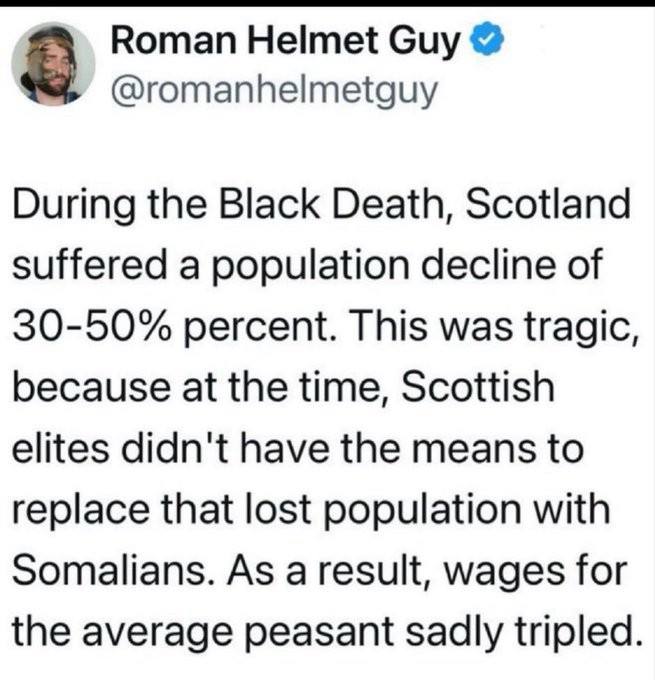
If you missed it👇
Top AI Executives are now officially anticipating a large-scale event, most likely a cyberattack, that shuts down access to financial services, internet connectivity, and even power and water. We need to prepare for this scenario right now.
Watch here:
Follow @zeeemedia
Website | X | Instagram | Rumble