We know what’s coming and we are prepared.

A topic the Jeff.pro channel has addressed from time to time is the world of Amateur (Ham) Radio.
This is a great area of electronics to be interested in.
It often doesn’t get attention these days until there’s another natural disaster but the recent storms again remind us how important and effective Ham Radio can be.
If you have your Ham Radio license, you can communicate with other “Hams” (licensed radio operators) all over your state, the country or the world on special frequencies reserved for citizen communication. You can even learn how to use satellite communications with your radios. This is all seperate from cellular networks, meaning, even if cell service and power goes out, your radio comms will still work fine. In fact that’s exactly what Ham operators often practice for.
It’s a great hobby and a great American pastime, too.
Here’s a link to the American Radio Relay League (ARRL) website, which is kind of the “headquarters” for ham radio info. Learn how to study and get your Ham Radio license. You will be glad you did!

If you missed it👇
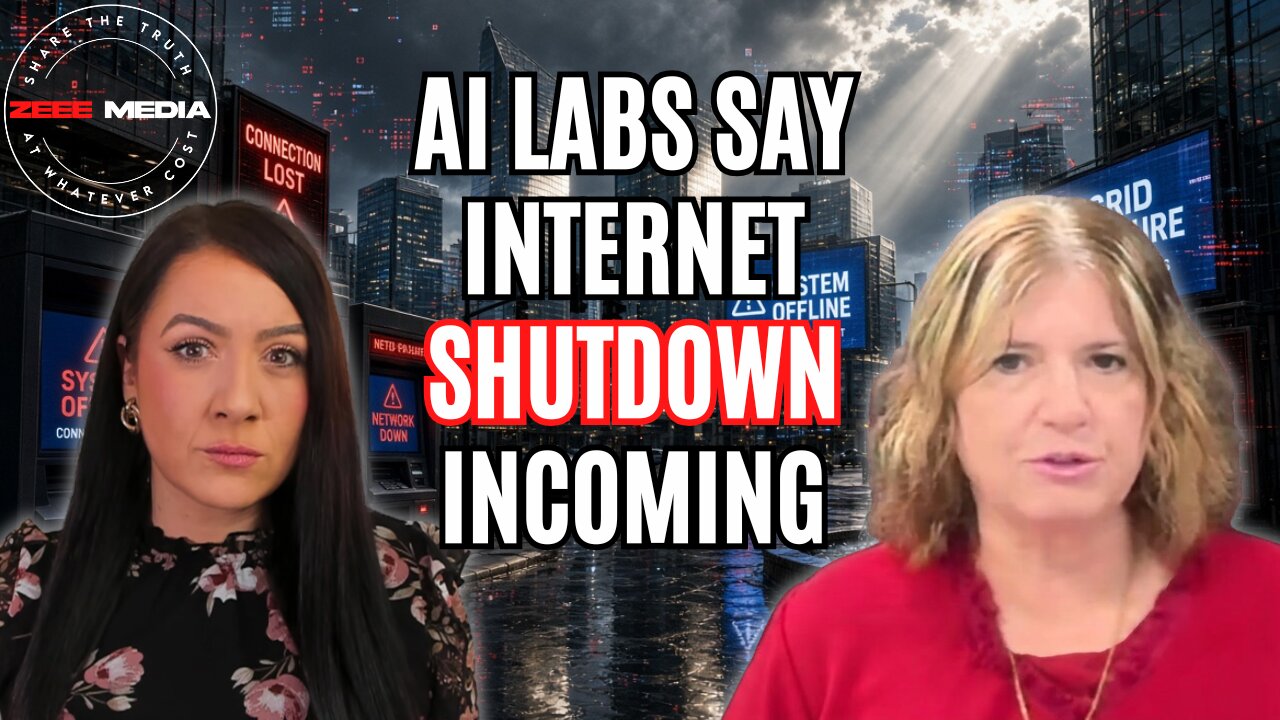
Top AI Executives are now officially anticipating a large-scale event, most likely a cyberattack, that shuts down access to financial services, internet connectivity, and even power and water. We need to prepare for this scenario right now.
Watch here:
Follow @zeeemedia
Website | X | Instagram | Rumble