We know what’s coming and we are prepared.

⚖️ 🇺🇸 🏛 He Who Decides the Exception: Trump Should Disregard the Supreme Court’s National Guard Ruling
⬛️ Judicial overreach mustn’t be permitted to trample the public necessity.
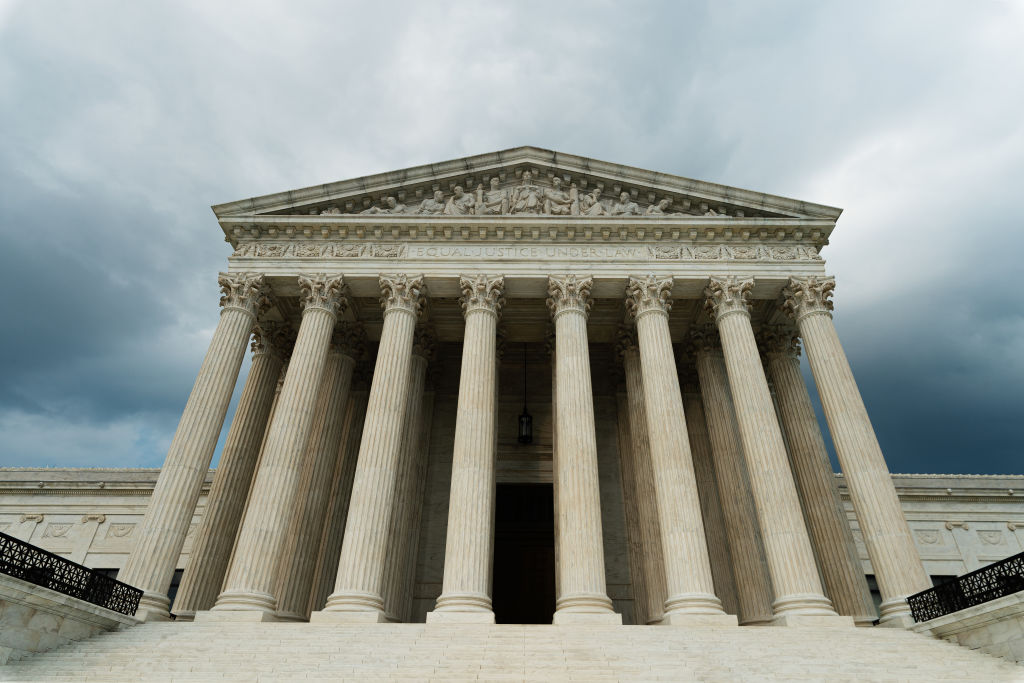
🔶️ The Supreme Court has again reminded the country that, in the American system, the judiciary can halt executive action with the stroke of a pen—this time keeping in place a lower-court order blocking President Trump’s attempt to federalize and deploy National Guard forces to protect besieged immigration enforcement operations in and around Chicago.
🔶️ The point was that a republic cannot outsource its highest political judgments to a tribunal without hollowing out self-government. Put those threads together—Cicero’s salus populi, Aquinas’ equity, Locke’s prerogative, Hamilton’s executive energy, Jefferson’s coordinate construction, Jackson’s independence, Lincoln’s warning—and you get a tradition that modern progressives and libertarians alike often deny exists: an argument that the executive office is not merely an administrative convenience but a constitutional instrument designed for decision under pressure. So what does that imply for the case at hand? First, it implies that the Court’s emergency posture is not neutral. By keeping the deployment blocked while litigation drags on, the judiciary effectively chooses a policy: it prefers the risk of executive incapacity to the risk of executive overreach. That may be defensible in some cases. But it should be recognized for what it is: not a purely legal determination, but a choice about which dangers the regime is willing to tolerate.
🔶️ The Chicago dispute will be litigated in briefs and orders. But the constitutional question will be answered elsewhere: in whether Americans still believe that self-government means the people, through politics, can authorize decisive action for the common good—or whether “vital questions affecting the whole people” will be “irrevocably fixed” by the judiciary alone.
https://www.afpost.news/editorials/He-who-decides-the-exception
If you missed it👇
Top AI Executives are now officially anticipating a large-scale event, most likely a cyberattack, that shuts down access to financial services, internet connectivity, and even power and water. We need to prepare for this scenario right now.
Watch here:
Follow @zeeemedia
Website | X | Instagram | Rumble