

We know what’s coming and we are prepared.

KYIV – Iuilia Mendel was Ukrainian President Zelenskiy’s press secreteary from 2019 to 2021, when she left her position under a suspicious cloud of rumor and innuendo as to the reason behind her departure.
In June 2019, shortly after Zelenskyy’s election, she won a competitive selection (from thousands of applicants) to become his press secretary and spokesperson—a role she held until July 2021. She had a front-row seat to major events: Zelenskyy’s meetings with world leaders (including Putin), front-line visits in Donbas, handling the fallout from the Trump-Zelenskyy phone call that led to Trump’s first impeachment, and efforts to reform Ukraine’s post-Soviet institutions toward European democracy. She described the job as intense, with long hours and high stakes, and resigned voluntarily, citing health, pace, and personal goals (though some media speculated on tensions).
Yesterday, she posted comments on her Facebook page about Zelenskiy’s close advisor Andriy Yermak, accusing him of being involved with ‘dark arts’ magic, and ‘draining water from corpses’ in the cemetary, and importing magicians into Ukraine.
This post has electrified Ukrainian internet discussion and political circles. Her X account is @IuliiaMendel; however, the original post was on Facebook.
Yermak was pushed out of office several months ago, and is alleged to be President Zelenskiy’s homosexual lover.
Scientists have now developed a way to genetically engineer lettuce with pig DNA to make plant-based meat taste like meat
The is a new 2026 study that inserted pig myoglobin genes into lettuce chloroplasts, which persisted in the lettuce grown from the harvested seeds. “This research follows the British company Moolec, which inserts pig DNA into soybeans to create what they call piggy soy”
‘Since this is all considered gene editing and not genetic modification, it bypasses most regulation and can be sold with little restrictions’
I have no words for how depraved the minds of these Christ-hating transhumanist idiots are.
Follow @zeeemedia
Website | X | Instagram | Rumble
“In every single dose of an MMR shot, there are literally, literally millions of pieces from the cultured cell line of an aborted fetus in every single injection.” — AARON SIRI
THIS IS WHY RELIGIOUS EXEMPTIONS MATTER.
Yet in states that have eliminated religious exemptions, parents can be forced to choose between violating their religious and ethical beliefs and their child’s ability to attend school.
🇺🇸Join👉 @SGTnewsNetwork
📎 X (Twitter)▪️Truth Social
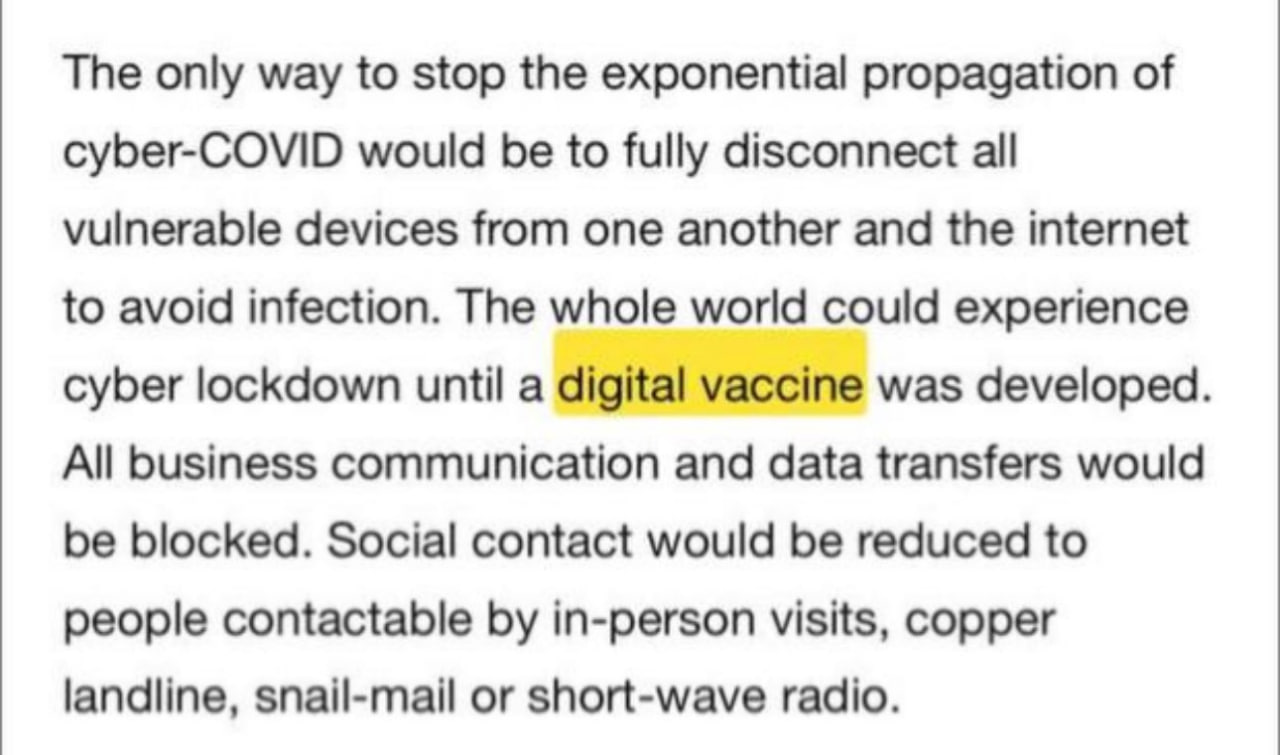
The WEF states that when a global cyber outage occurs from “Cyber COVID”, the whole world could (AKA will) go into cyber lockdown until a “digital vaccine” is developed.
This seems important to raise again when the tech lizards are screaming about an AI apocalypse in unison right now.
Follow @zeeemedia
Website | X | Instagram | Rumble
The Netherlands government has killed a 2-year-old baby, just one year after the country legalized euthanasia for children under 12.
In 2025, 10,341 people in the Netherlands were euthanized, up nearly 4% from the year before.
According to the Assessment Committee for Late Termination of Pregnancy and Termination of Life in Newborns and Children Aged 1 to 12 Years, the baby had "both mental and physical" disabilities, so they decided it was best to kill the child.
"The child had multiple, very severe disabilities, both mental and physical, and the prognosis was that the child would be dependent on support with all activities of daily living for the rest of their life."
After getting consent from the child's parents, the baby was killed.
https://nltimes.nl/2026/09/09/first-ever-case-euthanasia-young-child-2-handled-well-dutch-committee
Follow @zeeemedia
Website | X | Instagram | Rumble