
We know what’s coming and we are prepared.

🛢 The Iran war is draining global oil inventories at a record pace:
Global oil stockpiles fell by ~4.8 million barrels per day between March 1 and April 25, the largest quarterly drawdown on record.
Crude makes up ~60% of this decline, with refined fuels accounting for the remaining.
Total visible oil inventories are now near the lowest level since 2018.
JPMorgan warns that total visible oil inventories could fall to operational stress levels of 7.6 billion barrels by June and further down to an operational floor of 6.8 billion barrels by September, assuming no resolution to the Strait of Hormuz closure.
This operational floor represents the bare minimum oil needed to keep global pipelines and refinery systems running, meaning the world would have zero remaining buffer against further supply shocks.
With inventories collapsing, the threat of sharper oil price surges and outright shortages is moving closer.
🔗 Global Markets Investor
Reposting - It’s fashion week again:
They’re not just celebrities.
They’re vessels.
What you’re seeing is not fashion, it’s a ritual. A manifestation.
These grotesque outfits and lifeless faces aren’t random.
They’re symptoms of something deeper:
a mental parasite expressing itself through human bodies.
This parasite has no soul, no gender, no form.
It cannot exist alone, it needs a host.
And once it enters, it hijacks.
It speaks through you. Thinks through you. Dresses through you.
That’s what’s happening in front of our eyes.
Pop culture, fashion, “trends”…
They’re not human creations.
They’re tools of mass programming, designed to make you mimic the parasite until it fully replaces you.
These scripted realities, your idols, your influencers, they’re just vessels. Empty dishes.
Hosts for an agenda that is not human.
Be careful what you admire.
Be careful what you wear.
Learn the patterns. Learn the programming.
Because the ones pulling the strings are ...
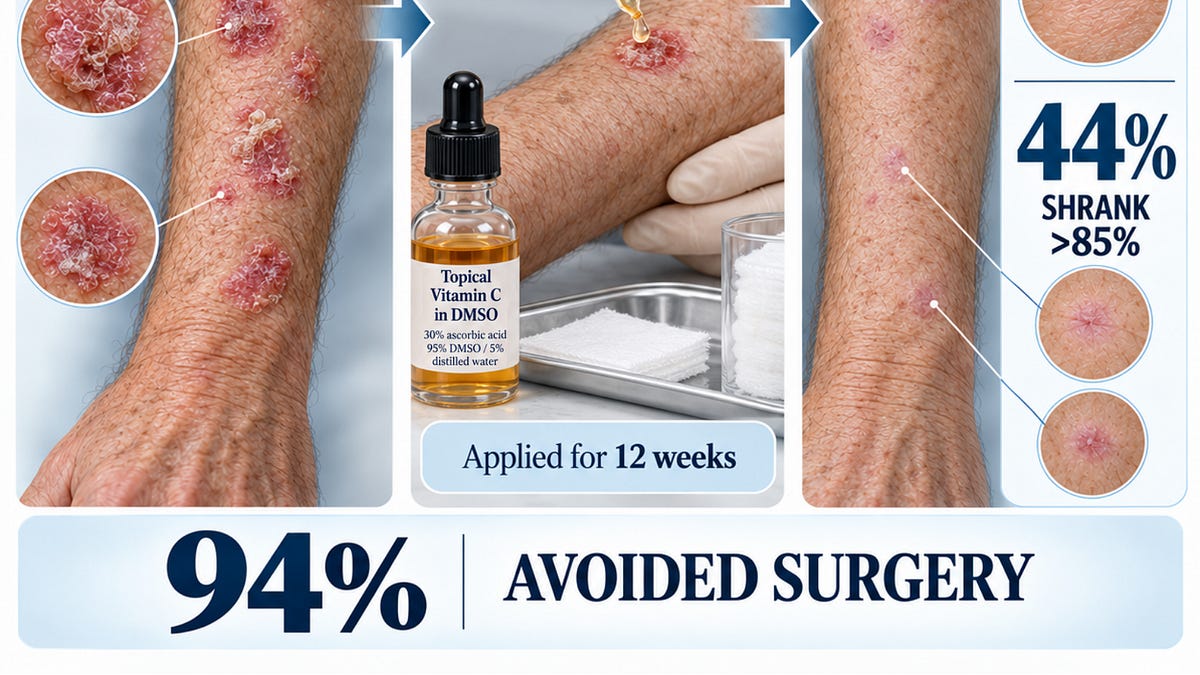
NEW STUDY: Topical vitamin C in DMSO completely ELIMINATED 56% of biopsy-confirmed skin cancers in just 12 weeks.
44% of the squamous cell carcinoma lesions SHRANK by over 85%.
94% of patients were able to AVOID surgery.
The average cancer lesion size dropped 71%.
The treatment was 30% ascorbic acid in a 95% DMSO/5% distilled-water solution, applied twice daily for 12 weeks.
DMSO was used as a skin-penetration enhancer, helping the vitamin C pass through the outer skin barrier and reach the lesion more effectively.
https://www.thefocalpoints.com/p/study-topical-vitamin-c-in-dmso-eliminated
Follow @zeeemedia
Website | X | Instagram | Rumble


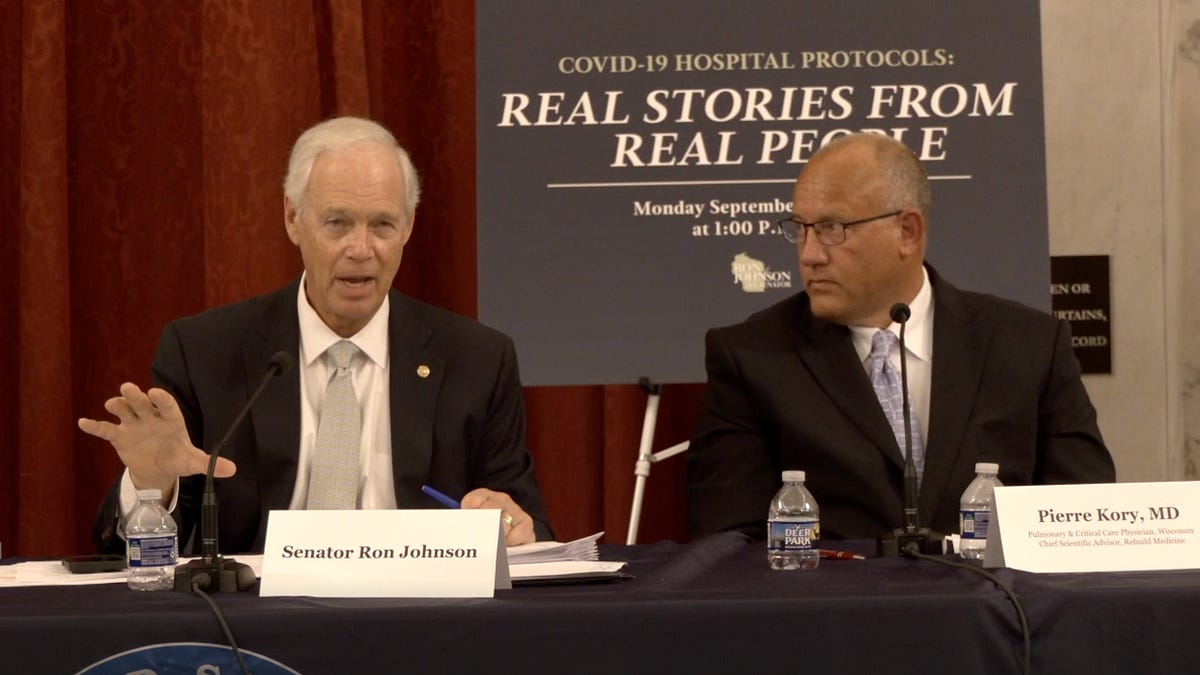
Why did hospitals push remdesivir and fight doctors using ivermectin?
If Fauci's drug was used government covered the entire hospital stay going over budget, so it was a given administrators would give it to every patient—just like there was a huge bonus for each patient who was diagnosed with COVID or ventilated for a prolonged period.
Here, I reveal why the US spent the most money on COVID-19, yet had the highest death rate, the human cost of these horrible policies, the unbelievable experiences many patients went through, and what we can do to have a safer hospital experience.
midwesterndoctor.com/p/how-hospital…
https://www.midwesterndoctor.com/p/how-hospitals-turned-on-their-patients