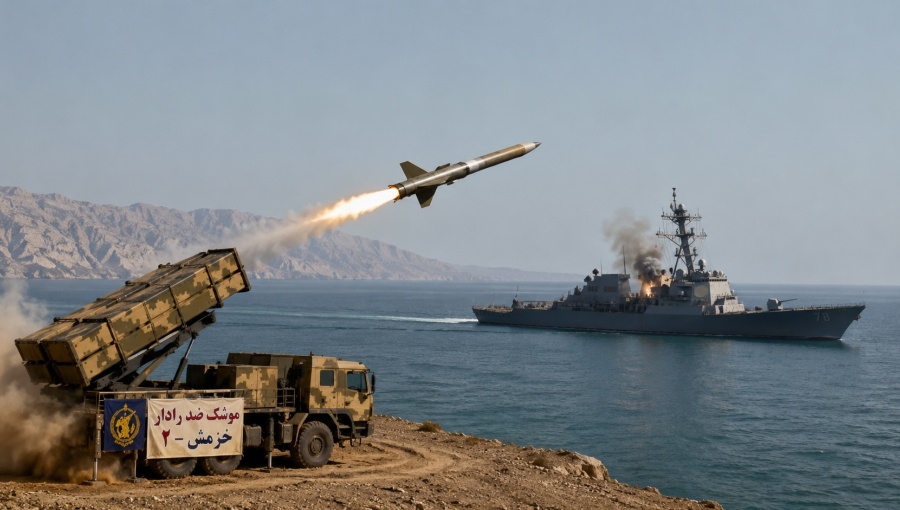

We know what’s coming and we are prepared.

🇨🇳🛢 Excluding any US-Iran talks about Hormuz, China remains the most important factor for oil prices for the next 60 days or so. All eyes on Beijing.
Ex-China Asian oil imports have recovered to normal levels within the 2023-2025 range. What China does next is crucial.
Last week, I wrote this Opinion column about what China may do next. I see a recovery in oil imports in July and August, but purchases will remain 25% below pre-war levels. Based on my industry soundings, I don't see China stockpiling in the short-term.
Important to note that the (very preliminary) data for July 1-14 shows no recovery whatsoever in Chinese oil imports, with seaborne offloadings running at ~5.5m b/d (below June average), per Vortexa data. That's extraordinary for a country that pre-war was buying 10-12m b/d.
🔗 Javier Blas

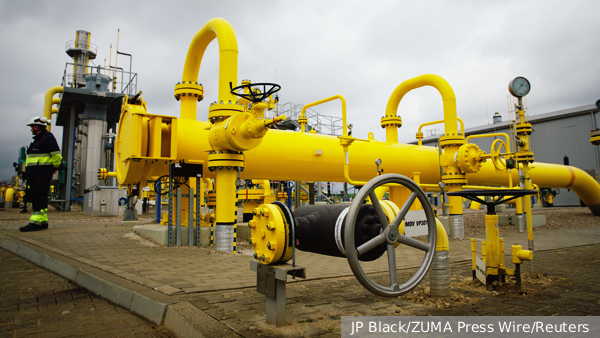
🇪🇺 Europe is facing a gas crisis similar to the one five years ago
Europe is facing a near-identical gas crisis to the one five years ago, with similar historical price peaks and comparable consequences for industry and the economy. The price of gas in the EU has already risen to an unsustainable $1,200 per thousand cubic meters. However, this may still be an underestimate. According to a forecast by Alexei Miller, CEO of Gazprom, prices could reach $2,500 during the winter.
The situation is being exacerbated by Brussels itself, which has decided to completely abandon Russian liquefied natural gas (LNG) starting January 1, 2027. Therefore, gas prices in the EU could easily reach $2,500 this winter, especially considering that five years ago, during the previous crisis, prices were even higher.
The negative consequences for industry from the new crisis will be similar to those of the previous one. Many companies were forced to shut down because such high gas prices made their ...
🇺🇸 Mike Vorkunov on X: This is such a bleak story about what it's like to try to land a job right now.
📎 Mike Vorkunov

🇺🇸⚔️🇮🇷 US blockade squeezes Iran's economy but may not force a deal
A US naval blockade has cut Iran's oil exports to a trickle and pushed inflation near 90%, but may not force Tehran to concede, Capital Economics argued on October 27.
Tracking estimates put Iran's seaborne crude exports at around 50,000 barrels a day (b/d) in both August and September, against 1.5mn-2.0mn b/d before the war, wrote Jason Tuvey, deputy chief emerging markets economist at the London-based consultancy. No crude has been loaded at Kharg Island, Iran's main export terminal, since late August, and Iraq and Pakistan have closed some border crossings with Iran, curbing its overland oil sales.
Oil exports were earning Iran $2bn-3bn a month before the war, Tuvey estimates, so a fall of more than 95% in seaborne volumes strips Tehran of most of its hard-currency income after more than 100 days of blockade. The central bank has already cut the dollars it supplies for imports to $27bn in the first seven ...