
We know what’s coming and we are prepared.

🇺🇸⛽️ US refiners face historic stress test as global crisis looms
U.S. refineries have operated near maximum capacity for the longest sustained period in over a quarter century, scrambling to capture windfall profits created by the Iran war. But history offers a cautionary tale: “Super refining” runs that push plants too hard can cause major failures.
This has global implications. U.S. refineries’ ability to sustain today’s elevated operating rates for months, or potentially years, could mean the difference between an exceptionally tight global fuel market and a full-blown supply crisis marked by acute shortages, demand destruction and widespread economic pain.
The result of the U.S-Israeli war on Iran has been a collapse in global fuel production. Global refinery throughput in July fell to 81 million barrels per day (bpd), nearly 5 million bpd, or about 6%, below the level at this point last year, according to the International Energy Agency (IEA).
The U.S., the world's largest crude producer and second-largest refiner after China, responded by ramping up exports of crude, gasoline, diesel and jet fuel to record levels, according to the U.S. Energy Information Administration (EIA), helping avert a truly cataclysmic supply shock.
For the U.S. refining industry, the past six months have been an unprecedented bonanza. Benchmark margins for converting crude into transportation fuels have averaged more than $50 a barrel since the start of the war, more than double their 10-year average.
To generate those bumper profits, many companies postponed planned maintenance and kept plants running at full tilt. U.S. refinery throughput has averaged around 17 million bpd since the start of the conflict, significantly above its five-year average.
The question now is how long this can last before something breaks.
Over the past 11 weeks, U.S. refinery utilisation rates have hovered above 95% — a sustained level not seen in more than 25 years. In fact, refineries have only achieved such prolonged rates three times, based on EIA data going back to 1990.
The closest parallels came in 1997 and 1998, when U.S. refineries recorded two separate 24-week stretches of utilisation rates above 95% — first between May and October 1997 and again between April and September 1998. In the summer of 1998, the refinery fleet exceeded 100% utilisation – the only time this has occurred in EIA records.
That extraordinary performance was driven by a rare combination of low crude prices and consistently strong fuel demand, giving refiners every incentive to keep operations running flat out.
A similar episode followed in 2000, when refineries operated above 95% utilisation for 13 consecutive weeks, but the conditions were markedly different.
Running complex refining systems at breakneck speeds for extended periods inevitably increases the risk of equipment failures, accidents and unplanned outages.
Faced with soaring margins and a global fuel shortage, many U.S. refiners have deferred essential maintenance originally scheduled for the second quarter, pushing much of the work into late 2026 or even 2027.
The risk is that doing this could ultimately lead to sharp, unplanned capacity losses.
Liberal Influencer with over 250,000 followers in Los Angeles is celebrating the Islamification of America
“Good morning from the United States of Islam ”
American women like this have no idea what’s coming…. They’re completely clueless to the hell they will be living in
🇺🇸Join👉 @SGTnewsNetwork
📎 X (Twitter)▪️Truth Social

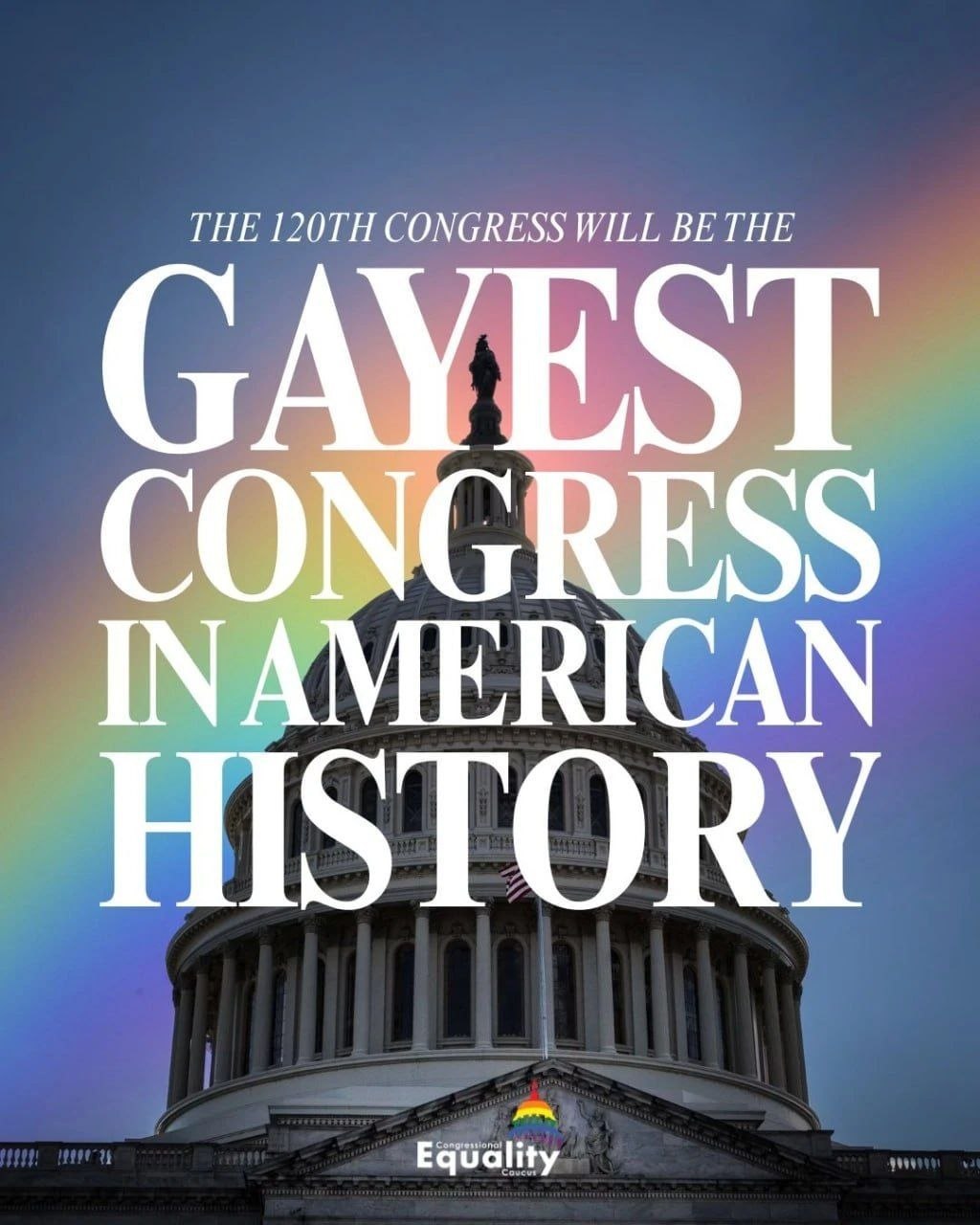
🇺🇸 American voters made history in the 2026 midterms, with the new US Congress set to be the most LGBTQ+ inclusive in history, declared the Congressional Equality Caucus.
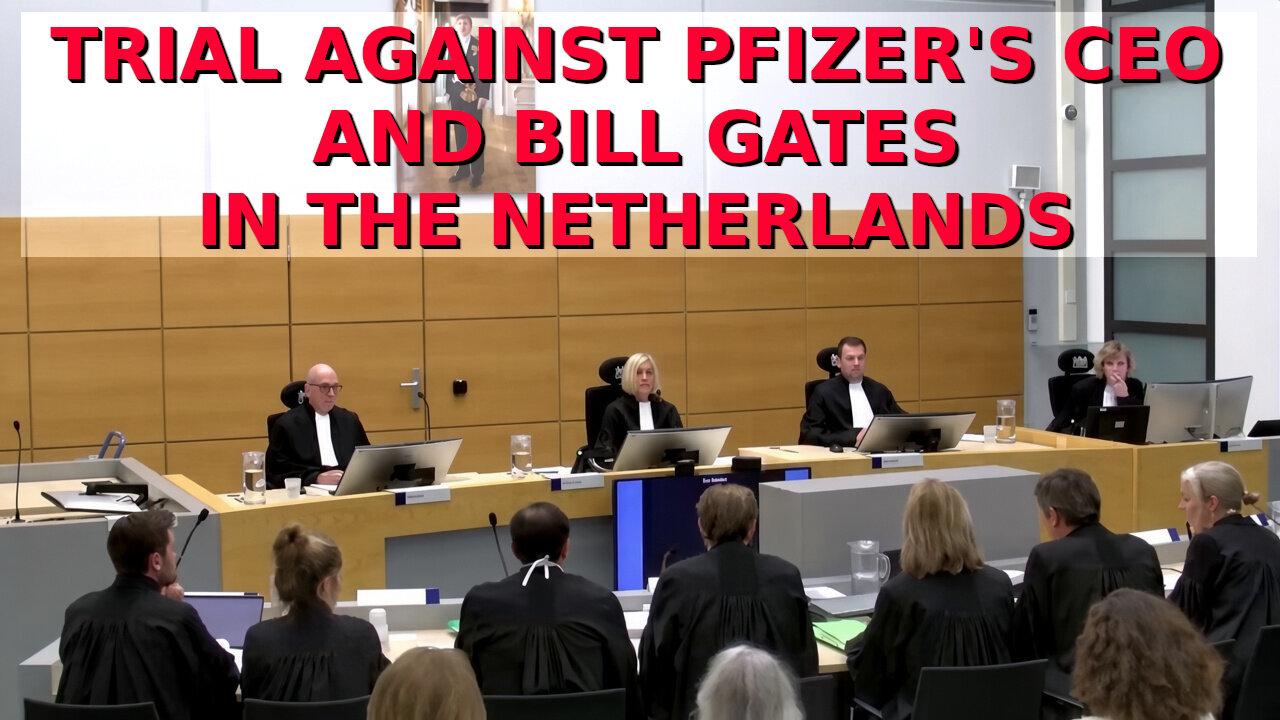
As the media refuses to report on this historic court case in the Netherlands, we will have to do it ourselves:
October 22, 2026.
Below you find the full recording of the court hearing held in the Dutch civil court within the framework of the proceedings brought against state authorities, Pfizer CEO Albert Bourla, and Bill Gates.
During the session, the plaintiffs' legal representation, led by attorney Peter Stassen, based their claim on the assertion that events were part of a preconceived plan and a false pandemic designed to force the mass inoculation of COVID vaccines, characterized by the prosecution as biological weapons.
To support these claims, the prosecution presented documentary evidence, expert reports, and video testimony, contending that governments acted as treacherous executors by deceiving the public with the complicity of the media.
Furthermore, the attorney alleged the existence of genocide reflected in fertility issues, reduced life expectancy, and deaths, framing ...