

We know what’s coming and we are prepared.

🇺🇸⚔️🇮🇷 US blockade squeezes Iran's economy but may not force a deal
A US naval blockade has cut Iran's oil exports to a trickle and pushed inflation near 90%, but may not force Tehran to concede, Capital Economics argued on October 27.
Tracking estimates put Iran's seaborne crude exports at around 50,000 barrels a day (b/d) in both August and September, against 1.5mn-2.0mn b/d before the war, wrote Jason Tuvey, deputy chief emerging markets economist at the London-based consultancy. No crude has been loaded at Kharg Island, Iran's main export terminal, since late August, and Iraq and Pakistan have closed some border crossings with Iran, curbing its overland oil sales.
Oil exports were earning Iran $2bn-3bn a month before the war, Tuvey estimates, so a fall of more than 95% in seaborne volumes strips Tehran of most of its hard-currency income after more than 100 days of blockade. The central bank has already cut the dollars it supplies for imports to $27bn in the first seven months of the Iranian year, against more than $40bn in the same period two years earlier.
Iran's stock of oil already outside the blockade is shrinking as well. Iranian crude at sea is now estimated at 50mn barrels, down from 140mn-150mn barrels before the war, and tighter US sanctions have made those cargoes harder to sell.
The IMF estimated Iran's usable foreign exchange reserves at just $22.6bn in 2024, and they were probably lower by the time the fighting began, according to the note. That would replace lost oil revenue for less than a year. The other way to adjust is for imports, and with them domestic demand, to fall, and Chinese trade data show exports to Iran were 30% lower y/y in September.
The rial has lost 50% of its value against the dollar on the parallel market since the start of the year, hitting a record low in October, and official figures put inflation at close to 90% y/y in September, the highest rate since at least 1958, Tuvey wrote. Anecdotal evidence of goods shortages is mounting, and the IMF expects the economy to shrink by 7.6% this year.
"Economic pressure won't necessarily force the Iranian regime to make concessions," he wrote, pointing to regimes that clung to power through economic collapse with a mix of patronage and repression, such as Cuba after the 1959 revolution and Venezuela from 2012.
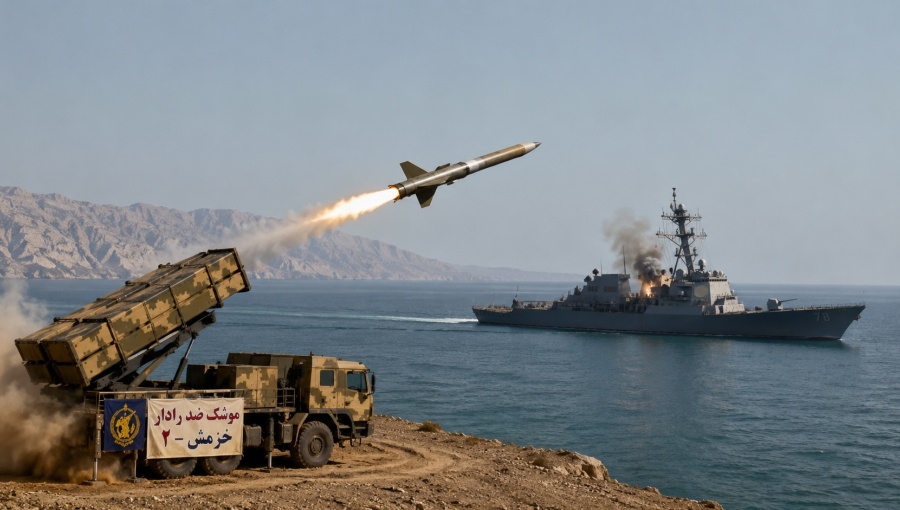
The squeeze is arriving just as Iran's hand in the conflict may be weakening. Tehran has stepped up attacks on ships in the Strait of Hormuz, one of the world's critical chokepoints, in recent weeks, but has so far struggled to make a significant dent in energy flows from the Gulf, according to Capital Economics.
Marxists have rebranded. When you hear “stakeholder capitalism”, you are really hearing “marxism”.
When you hear “mutual aid”, you are hearing “marxism”.
When you hear “public-private partnership”, you are hearing “marxism”.
When you hear “racism” you are hearing “marxism”.
When you hear “mass migration”, you are hearing “marxism” & “globalism”.
When you hear “Islamaphobia” you are hearing “marxism”, “jihad”& globalism”.
Do you get it now?
@NoAgendaLara