
We know what’s coming and we are prepared.

🇺🇸☢️🇮🇷📝 The use of a nuclear weapon in Iran may not destroy the mountain, but it destroys an entire model of international relations.
As has been floated in recent days, Netanyahu has been working toward an operation with tactical nuclear missiles against Iran.
This would be different from using a bomb like the ones we saw in Japan, which were designed as strategic weapons to destroy entire cities.
Tactical warheads have a lower destructive yield, usually between 1 and 50 kilotons.
They are designed to eliminate specific military targets on the battlefield, bases, ports, or armored columns, without triggering an instantaneous global apocalypse.
Most of these tactical missiles are, in theory, meant to detonate in the air, hundreds of meters above their targets, avoiding ground contact and leaving radiation that dissipates within weeks in the affected area.
The problem is that the plan reported by Tucker Carlson would involve detonating the Pickaxe Mountain, as Donald Trump also once promised. That would be a radioactive catastrophe of a different order from an airburst hundreds of meters above a region, something that already strikes me as absurd enough.
All of this is terrifying, but the use of a tactical nuclear weapon would mean changing the paradigms on which international relations are built.
The use of tactical missiles and direct attacks against a regional power like Iran would redefine traditional concepts of state sovereignty, respect for borders, and, above all, the logic of global nuclear deterrence.
In international law and relations between states, territorial sovereignty is the fundamental pillar. A direct attack with tactical missiles would transform that dynamic and bring an end to traditional red lines.
It would demonstrate that possessing a robust conventional army or a vast territory no longer prevents invasion or direct bombardment by technologically superior forces.
This would consolidate the idea that states can violate the sovereignty of others on the basis of anticipated threats, a precedent we already live with, but one that would reach another level with nuclear weapons.
The most dangerous shift would occur in how countries view nuclear weapons. Historically, deterrence works on the premise that the cost of attacking a country is too high.
If Iran, a country on the threshold of nuclear development, is attacked in a conventional and tactical manner, the geopolitical message would first and foremost be one of encouragement to proliferate.
This scenario would turn the global board into a far more unpredictable environment, where fear and the rush to acquire weapons of mass destruction would replace diplomacy and economic containment.
🔗 Patricia MarinsI’m
This is Georgia’s first Transgender non-binary state lawmaker.
“I would be the first openly non-binary or trans person elected to a state legislature in the Deep South. And the first Japanese American elected in Georgia.”
🇺🇸Join👉 @SGTnewsNetwork
📎 X (Twitter)▪️Truth Social
Liberal Influencer with over 250,000 followers in Los Angeles is celebrating the Islamification of America
“Good morning from the United States of Islam ”
American women like this have no idea what’s coming…. They’re completely clueless to the hell they will be living in
🇺🇸Join👉 @SGTnewsNetwork
📎 X (Twitter)▪️Truth Social
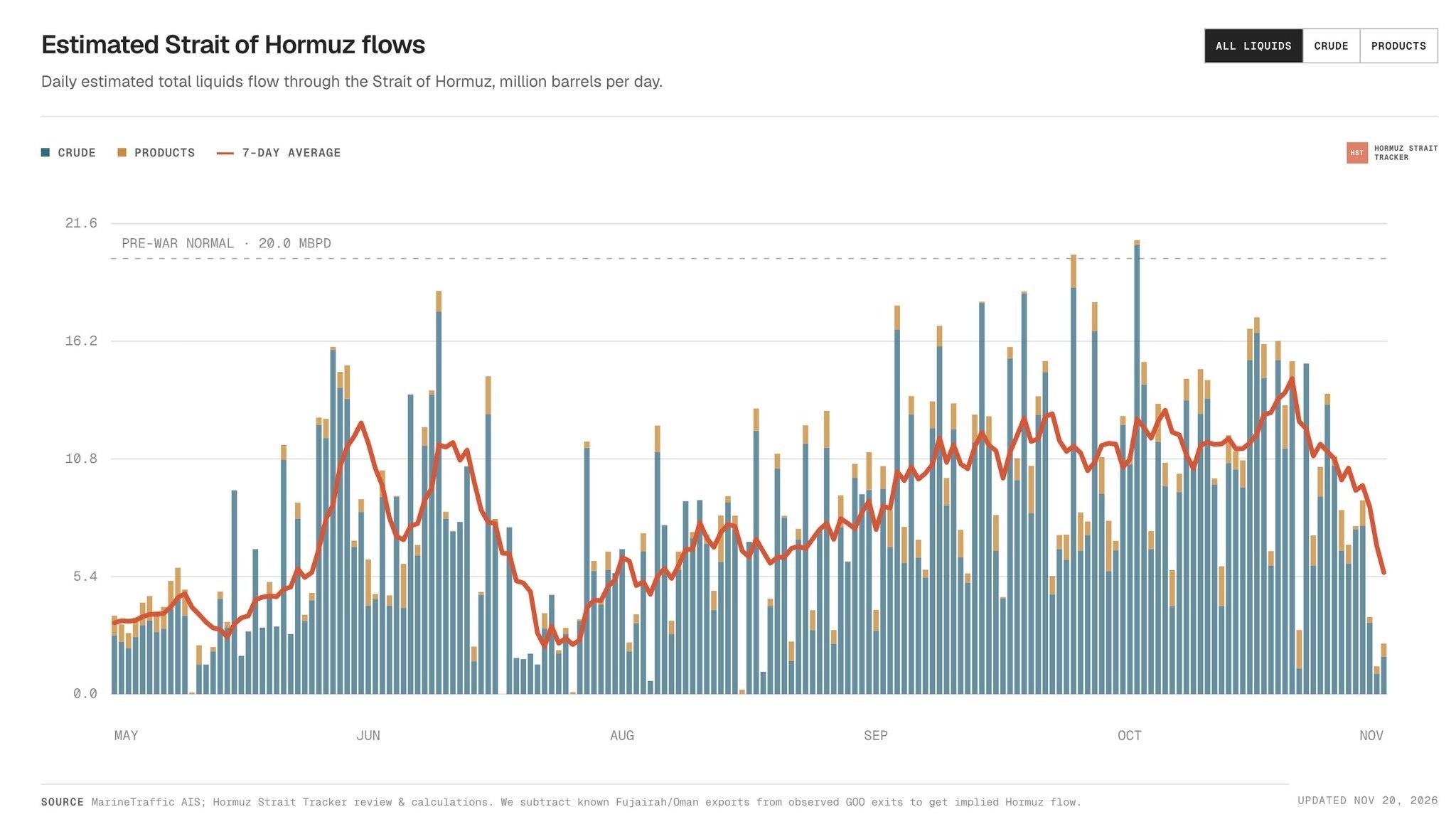
🇺🇸🇮🇷❗️ — There is an elevated threat of a rapid escalation in the Iran war if the United States attempts to stop this oil tanker.
Iran will most likely make good on its promises in striking regional oil infrastructure if this tanker is struck or boarded by U.S. forces. This will cause the United States to launch a heavy attack in response, with a heavy target bank already known to be drafted by U.S. Central Command.
After this, the war will resume, perhaps with additional escalation compared to the last war such as Iran targeting U.S. European Command assets and both America and Iran targeting energy infrastructure.
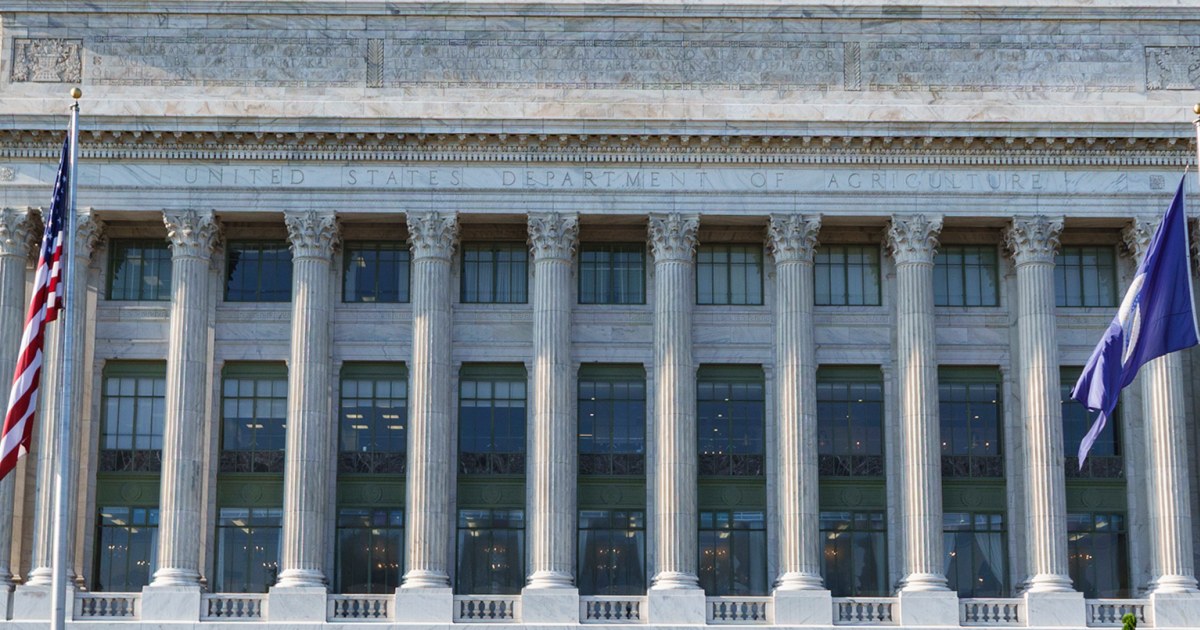
🚜 🇺🇸 🤖 The U.S. Department of Agriculture was hit by a cyberattack this week, raising concerns that hackers could access sensitive information at the agency responsible for the country’s food safety, according to two former USDA officials with knowledge of the matter.
USDA informed employees on Thursday that a system the agency uses to facilitate payments to farmers was the victim of a cybersecurity breach, the officials said. As of now, the officials said the payments database is the known extent of the breach. But they warned that accessing the payments system could provide hackers with a backdoor to reaching more sensitive material.
The breach at USDA follows more than a week of tech outages that have raised concerns across the country about the security of government and private sector systems. Those outages have affected a range of entities, from Microsoft, Apple, Marriott and U.S. banks to the Federal Aviation Administration and the National Security Agency. Those outages ...