

We know what’s coming and we are prepared.

📊 “Incels” are not particularly right-wing or white, but they are extremely depressed, anxious, and lonely, according to new research
“Incels” (involuntary celibates) are ethnically and politically diverse. They also have a greater tendency to perceive themselves as victims, have lower levels of life satisfaction, and exhibit higher levels of depression, anxiety and loneliness when compared to non-incels.
The new study, published in Evolutionary Psychological Science, compared a sample of 151 self-identified male incels with 378 similarly aged non-incel males across a range of measures related to mental well-being.
“Incels forge their sense of identity around a perceived inability to form sexual or romantic relationships,” said William Costello, lead author on the paper and a doctoral student in psychology at UT Austin. “Many of them subscribe to a philosophy they call the ‘black-pill,’ which has to do with being brutally honest about what they see as the bleak truths of the sexual and romantic prospects for men like them.”
Recent years have seen growing concerns about potential threats of violence stemming from the incel community. Research in the field shows that the vast majority of incels are neither physically violent nor aggressively misogynistic online, but a significant minority of incels (~10%) engage in misogynistic hostility online,
38.85% of the incel participants were right-leaning, 44.70% were left-leaning, and 17.47% were centrist.
A smaller proportion than would be expected by chance identified as white (63.58%), with 36.42% identifying as BIPOC.
17% of incels in the study were not in school, working, or in training, compared to only 9% of non-incels.
36% of incels had a high school level education or lower, compared to 20% of non-incels.
50% of incels reported living with their parents or a caregiver, compared to 27% of non-incels.
75% of incels in the study were clinically diagnosable with severe or moderate depression, and 45% with severe anxiety
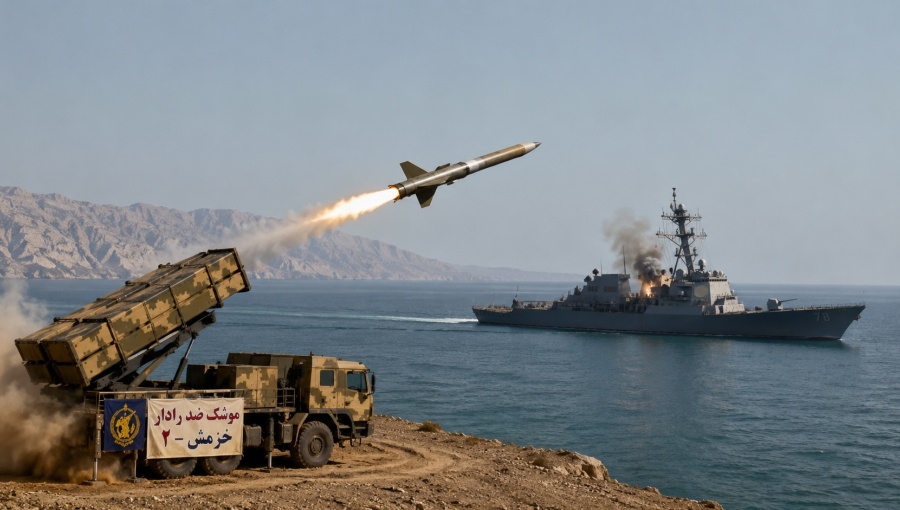
🇺🇸⚔️🇮🇷 US blockade squeezes Iran's economy but may not force a deal
A US naval blockade has cut Iran's oil exports to a trickle and pushed inflation near 90%, but may not force Tehran to concede, Capital Economics argued on October 27.
Tracking estimates put Iran's seaborne crude exports at around 50,000 barrels a day (b/d) in both August and September, against 1.5mn-2.0mn b/d before the war, wrote Jason Tuvey, deputy chief emerging markets economist at the London-based consultancy. No crude has been loaded at Kharg Island, Iran's main export terminal, since late August, and Iraq and Pakistan have closed some border crossings with Iran, curbing its overland oil sales.
Oil exports were earning Iran $2bn-3bn a month before the war, Tuvey estimates, so a fall of more than 95% in seaborne volumes strips Tehran of most of its hard-currency income after more than 100 days of blockade. The central bank has already cut the dollars it supplies for imports to $27bn in the first seven ...
Marxists have rebranded. When you hear “stakeholder capitalism”, you are really hearing “marxism”.
When you hear “mutual aid”, you are hearing “marxism”.
When you hear “public-private partnership”, you are hearing “marxism”.
When you hear “racism” you are hearing “marxism”.
When you hear “mass migration”, you are hearing “marxism” & “globalism”.
When you hear “Islamaphobia” you are hearing “marxism”, “jihad”& globalism”.
Do you get it now?
@NoAgendaLara