

We know what’s coming and we are prepared.

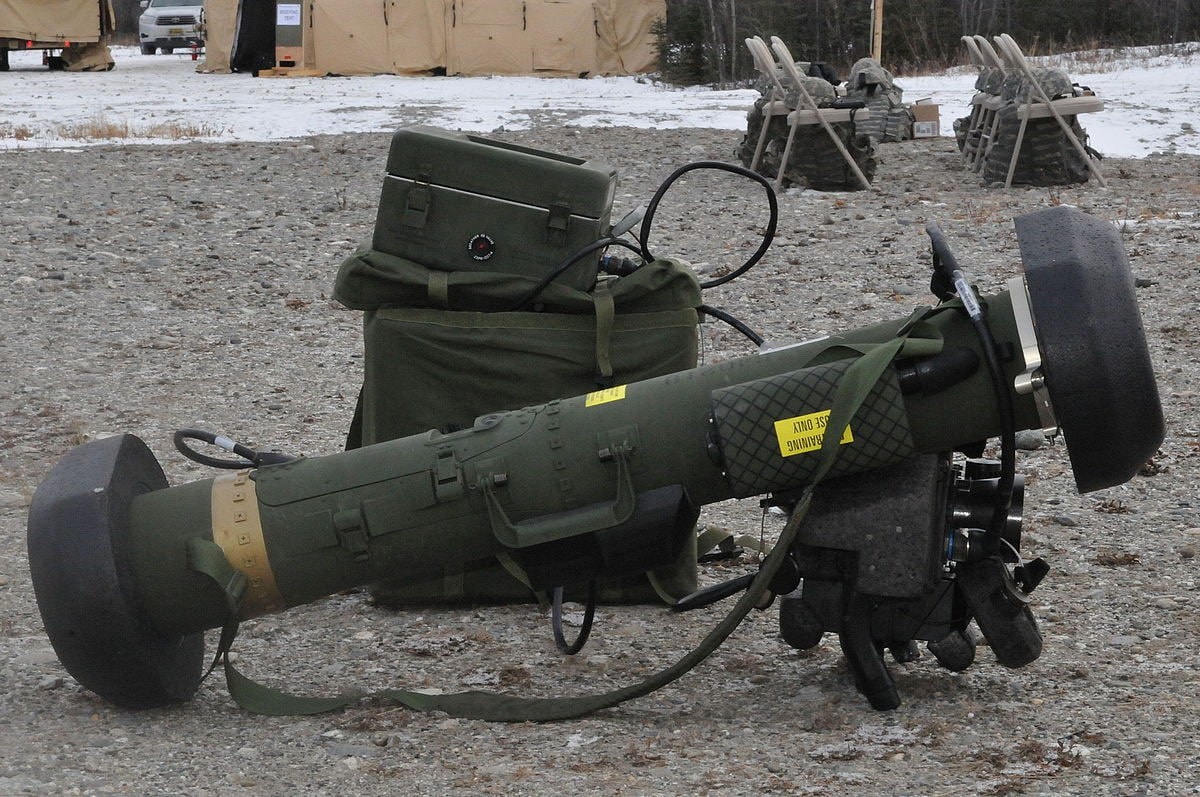
🚨Mexican cartels have obtained access to the FGM-148 Javelin with infrared guidance. The exact quantity of missiles involved is unknown, although earlier, Mexican authorities seized two launchers from one of the major cartels in a single operation.
@TEXASvsUSA
Azerbaijan: This Turkish country has destroyed more Christian monuments than ISIS.
Based off satellite data, Azerbaijan erased 108 Armenian monasteries, churches and cemeteries - in just one region.
By comparison, ISIS destroyed dozens of churches.
How is this okay?
@NoAgendaLara
UPDATE: Outrage erupts as there has been a SURGE in Islamists ATTACKING and vandalizing Japanese shrines
Security footage shows people wearing HIJABS storming up and unleashing on the Soya Shrine in Hadano City
🇺🇸Join👉 @SGTnewsNetwork
📎 X (Twitter)▪️Truth Social
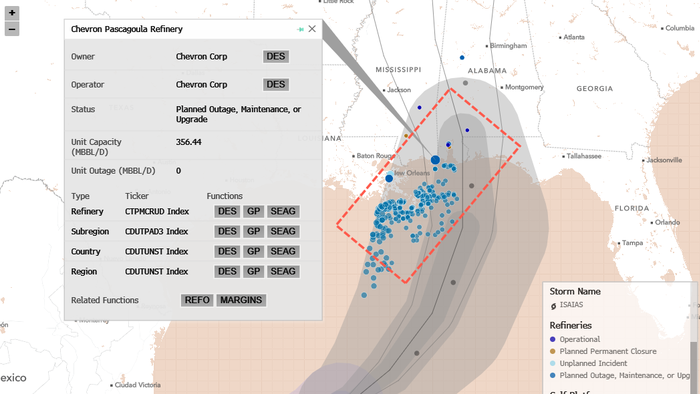
🌀 🇺🇸 🛢 Hurricane Shuts 63% Of US Gulf Oil Output, Threatens Refineries; Jefferies Warns Of "Fuel Supply Event"
Bloomberg cites data from the Marine Minerals Administration showing US Gulf offshore oil producers have halted about 1.28 million barrels per day, equivalent to shutting in 63% of regional output.
Hurricane Isaias forced offshore oil and natural gas producers in the Gulf of America to halt a sizable amount of production as the Atlantic's first hurricane of the season churned toward the coast, with potential landfall impacts across portions of Louisiana, Mississippi, Alabama, and the Florida Panhandle.
Producers with offshore rigs have already shuttered 25% of crude output and 16% of NatGas production and evacuated workers from eight platforms and two rigs.
The disruption to offshore oil and NatGas rigs comes as a global refining crisis deepens, and there is little room for error in the US, as refineries operate near full capacity.
...
📝🇮🇱🗳 CIA Report Warns Israel Could Head Toward Civil War, Total Collapse
Israel is at risk of civil war or state collapse, a classified CIA assessment warns, as years of genocide in Gaza and war in Lebanon and Iran deepen political, economic, and social fractures within the country.
The August report, titled “Fracture From Within,” was compiled by experts in the CIA’s Red Cell, according to two U.S. sources who described the contents of the report to Drop Site News. The Red Cell, which is the unit responsible for providing “alternative analysis” within the agency, produced the assessment through a combination of open source information and U.S. intelligence. The assessment appears to refer only to Israel’s Jewish citizens and does not consider its Palestinian citizens, who make up approximately 20% of Israel’s population and who live under various forms of discrimination that Amnesty International and other human rights groups have labelled as part of a broader system of...
American wages are not keeping up with inflation.
US average hourly earnings adjusted for inflation fell -0.3% YoY in September, marking the 5th consecutive decline in real wages.
This follows a -0.2% YoY decrease in August, -0.3% in July, and -0.8% in June, the largest decline since May 2023.
This marks a sharp deterioration from +1.3% YoY growth in real wages recorded in February.
This all comes as US CPI inflation has remained above +3.0% for 6 consecutive months, the longest such streak since mid-2024.
Meanwhile, in nominal terms, average hourly earnings rose +3.0% YoY in September, their slowest growth since May 2021.
Nominal wage growth has been in a downtrend since March 2025, when earnings grew +4.2% YoY.
Inflation is eroding the spending power of Americans.
(@TheKobeissiLetter)