We know what’s coming and we are prepared.

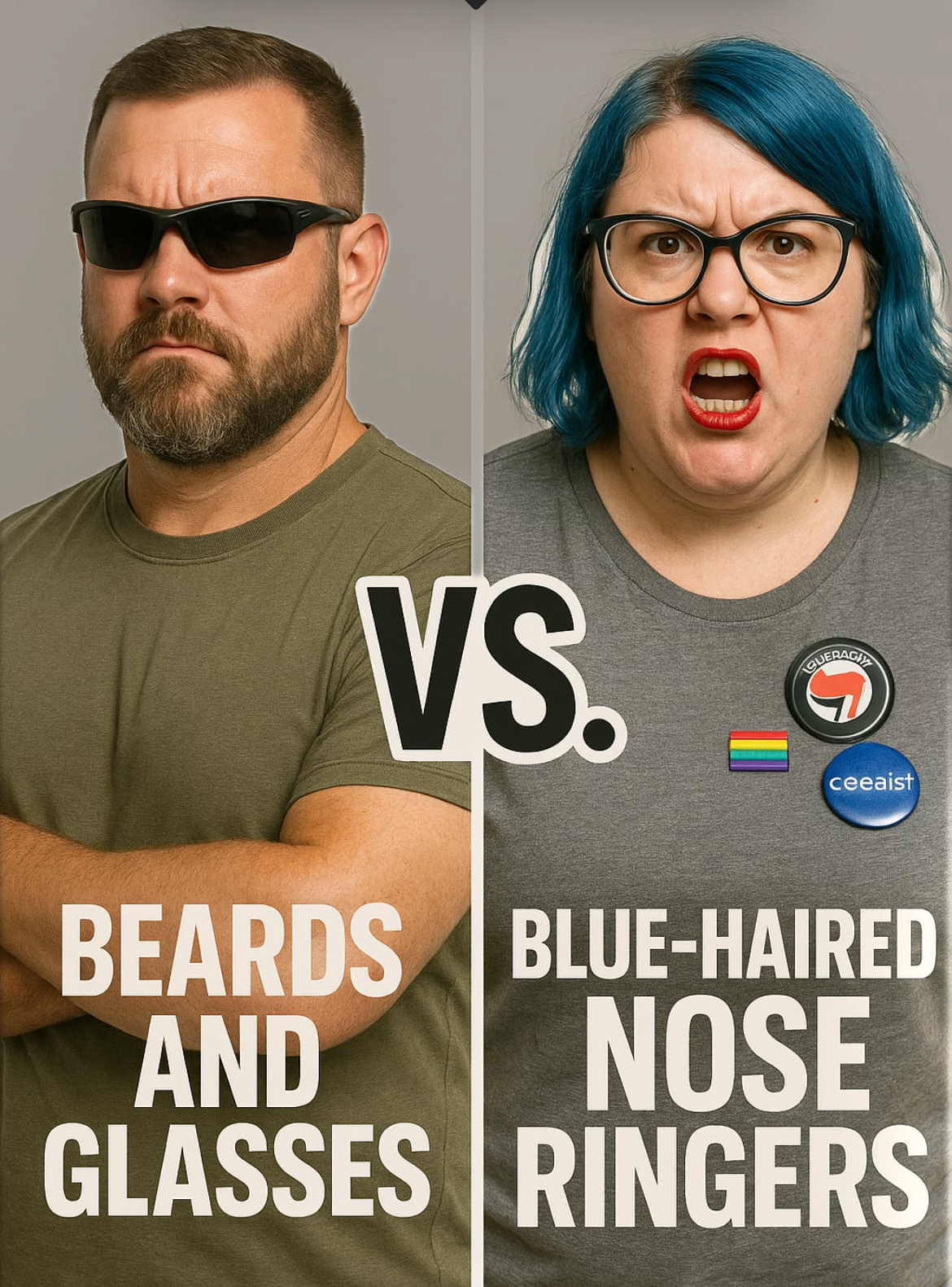
The contrast between these two groups is not accidental but fits into a long tradition of subversive tactics. The United States itself, through the CIA and other channels, has run coups, color revolutions, and destabilization campaigns abroad by exploiting divisions and polarizing societies. Today, similar strategies are at work domestically. The “beards and glasses” demographic (men with jobs, families, and responsibilities) are not weaponized, they value merit and stability, which restrains them from reckless action. In contrast, the “blue-haired nose ringers” are fed a steady diet of grievance and victimhood rhetoric online, priming them over the past two decades to be easily provoked into kinetic activity. The dynamic is deliberate: one group anchored in responsibility, the other conditioned for agitation.
If you missed it👇
Top AI Executives are now officially anticipating a large-scale event, most likely a cyberattack, that shuts down access to financial services, internet connectivity, and even power and water. We need to prepare for this scenario right now.
Watch here:
Follow @zeeemedia
Website | X | Instagram | Rumble