
We know what’s coming and we are prepared.

🇺🇸🇪🇺🇯🇵🇨🇦🇬🇧 G7 finance ministers to meet amid warning of economic consequences of prolonged Strait of Hormuz closure
Ahead of a meeting of finance ministers from the Group of Seven developed economies in Paris on Monday, a senior European official says the situation in the Middle East has highlighted how exposed the interconnected global economy is to external shocks.
“Opening the Strait of Hormuz and bringing the conflict to a lasting end are of the utmost importance in mitigating the impact on the economy,” Eurogroup President Kyriakos Pierrakakis said in a statement.
The Eurogroup is a body that brings together ministers from the euro area and is being represented at the G7 meeting by Pierrakakis, who is also the Greek finance minister. The G7′s core members are the U.S., U.K., Canada, France, Germany, Italy and Japan.
“The European economy has proven resilient in the face of this energy crisis. Yet, the global economy will feel the pressure – even if the conflict is resolved swiftly,” Pierrakakis said.
Long-term borrowing costs in several G7 economies have surged in recent weeks, as investors worry about rising inflation caused by tight energy supplies while the Iran war chokes off oil and gas supplies through the crucial Strait of Hormuz.
U.S. Treasury yields spiked on Friday following a week of messy inflation data and as traders looked to price interest rate policy under new Federal Reserve Chair Kevin Warsh.
The yield on the 30-year bond jumped nearly 11 basis points to yield 5.121%, the highest since May 22, 2025, and nearing the highest since October 2023.
In the U.K., the yield on 30-year government bonds, known as gilts, are trading at their highest since the late 1990s due to a mix of political instability and concerns over rising inflation.
Japan, which is particularly sensitive to inflationary pressure linked to the Iran war, given its status as a major energy importer, has also seen bond yields rise drastically in recent days.
Bond yields and prices move in opposite directions, with traders often commanding higher yields on debt investments when confidence in the government issuing the bonds is shaken.
🔗 https://www.cnbc.com/2026/05/17/opening-strait-of-hormuz-is-of-utmost-importance-eurogroup-head.html

If you missed it👇
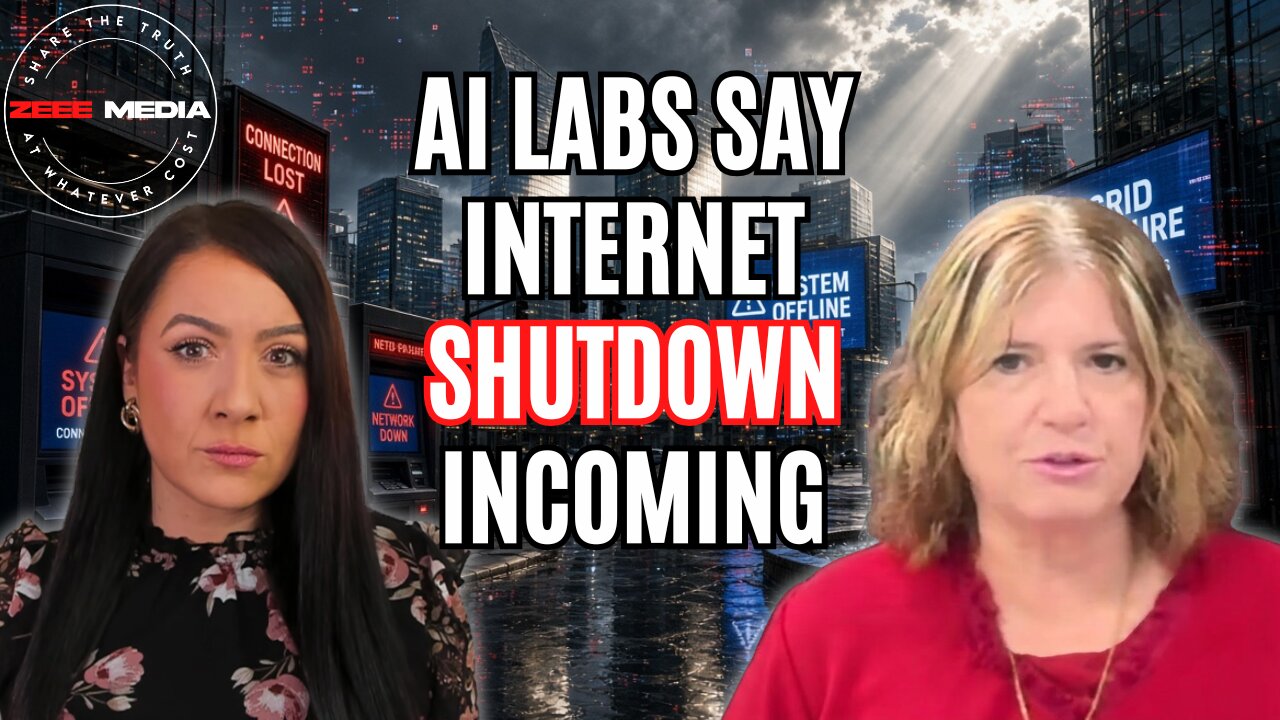
Top AI Executives are now officially anticipating a large-scale event, most likely a cyberattack, that shuts down access to financial services, internet connectivity, and even power and water. We need to prepare for this scenario right now.
Watch here:
Follow @zeeemedia
Website | X | Instagram | Rumble